
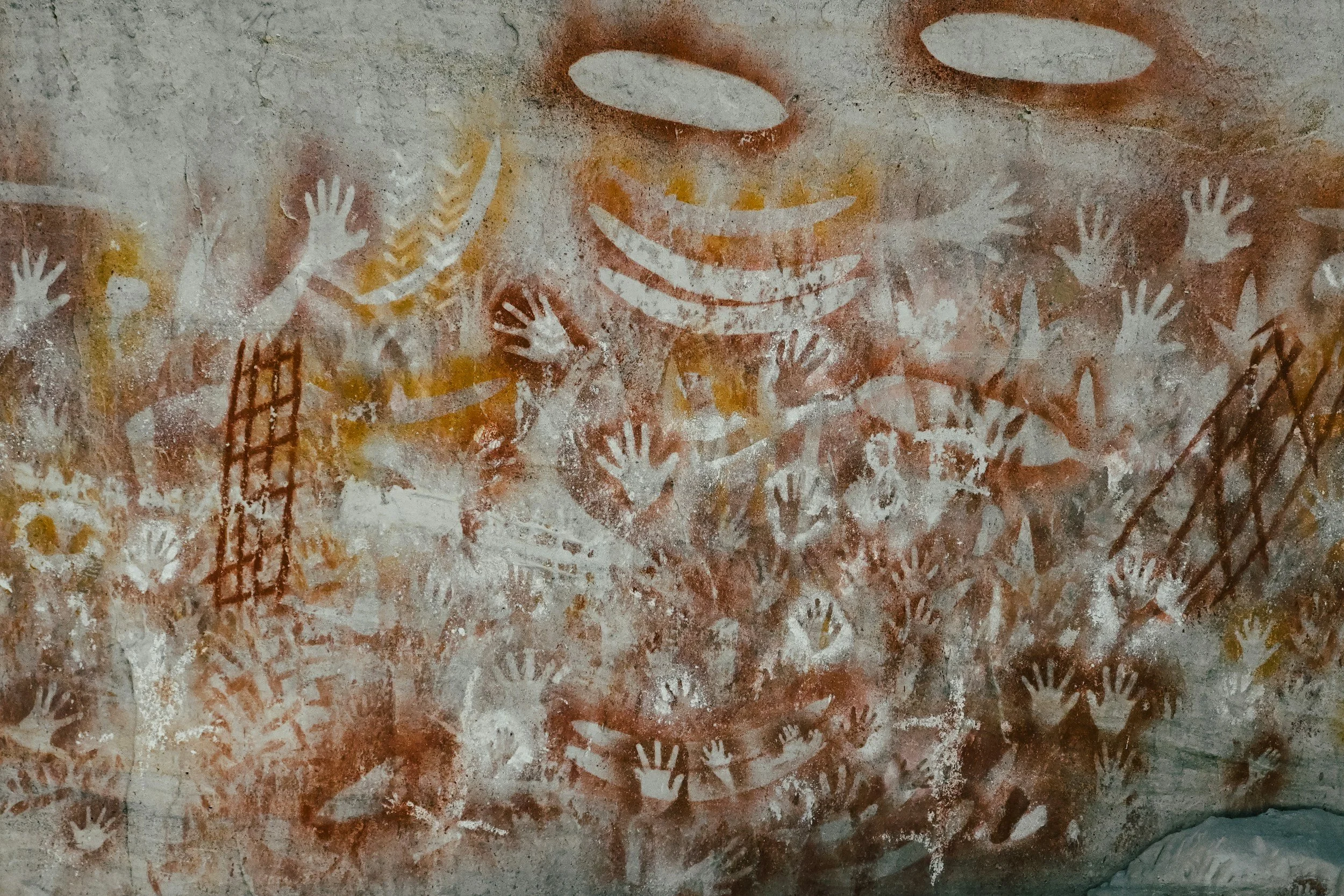
I have been thinking a great deal about a writing continuum that begins as soon as we are born; from that moment when we begin to make sense of the world. We have all our senses, sound and movement and touch. We discover the importance of gesture, sometimes in small movements of the hand, sometimes hurling our whole bodies into moments of expression and understanding. Vygotsky observed the ways in which gesture and symbolic play, movement and drawing leads to writing. Children’s drawings are often a physical enactment rather than a static representation of an object or a person. Their hands speed across the paper: ‘the man is running,’ ‘she is happy.’
There is so much to say about the relationship between movement, drawing and writing and my thoughts are far from resolved. The Reception and Key Stage 1 children continue to teach me and to convince me of how important it is to allow drawing and writing to go hand in hand and not to suppress the drawing for some mistaken idea that children must learn to use words alone when they are writing.
Today I would like to draw your attention to a lovely exhibition of John Berger’s drawings at The Mandell Gallery in Norwich. If you are nearby, it is very well worth visiting. It is there until 21st November.
The booklet that accompanies the exhibition includes writing and drawings by John Berger and an essay by the art historian John-Paul Stonard, ‘Hand-in hand, writing and drawing.’ Stonard describes Berger as ‘a writer who drew. The two activities go hand-in-hand. Drawing, like writing, is an act of transcription.’
And he makes reference to cave paintings, images that were writing; the drawing and the writing as one, very like a child’s drawing. Berger did not draw every day but intermittently, when it counted, which is why Stonard describes him as a writer who drew. Many of Berger’s drawings include the written word and he chose, more than most visual artists to reflect on his drawings.
Berger’s reflection, ‘the company of drawing’ is a wonderful meditation on drawing, and, I would say, by extension, writing. He begins by saying how he is drawing irises growing against the south wall of a house. He describes the flowers, the weather, the materials he is using. As he writes he draws in his many thoughts – the precise name of the variety, his consideration of how the drawing might progress, a little of what he knows about irises, a return to their size and orientation. He says, ‘At first you question the model (the irises). … The drawing accumulates the answers. Also, of course, it accumulates corrections, after further questioning of the first answers …… At a certain moment -if you are lucky – the accumulation become a an image – that’s to say it stops being a heap of signs and becomes a presence. Uncouth, but a presence. This is when your looking changes. You start questioning the presence as much as the model.’
Berger’s writing is so delicate, gently unfurling, opening wider and wider and returning to a precise detail. It feels ugly and crude to even attempt a summary. Each time I read it, I return to its strong sense of composing, of all that is involved. The parallels between writing and drawing are compelling. Berger’s writing opens out to explain that the drawing is being made to place in the coffin of a friend and then moves beyond that – the sale of a sketched portrait at a charity auction, and how that sketch was made in a first meeting with its subject. Finally, he moves on to his work with a dance company and his drawing of one particular dancer. He is drawn by the duality of the dancers’ bodies, their resilience, the way they balance between delicacy and great strength. The dancers, also, write with their bodies on the stage.
Children bring to their writing their whole selves. Let’s welcome that fullness of being into the writing class.