I am having some trouble with writing at the moment.
It’s not that I can’t get the words down. There are dozens of words down, thousands of them. That’s the problem. I am having trouble shaping the words so that they make sense to me, and, importantly to teachers. I have so many thoughts, ideas, experiences, observations, questions; so many things that really need to be said and I find myself unable to say them.
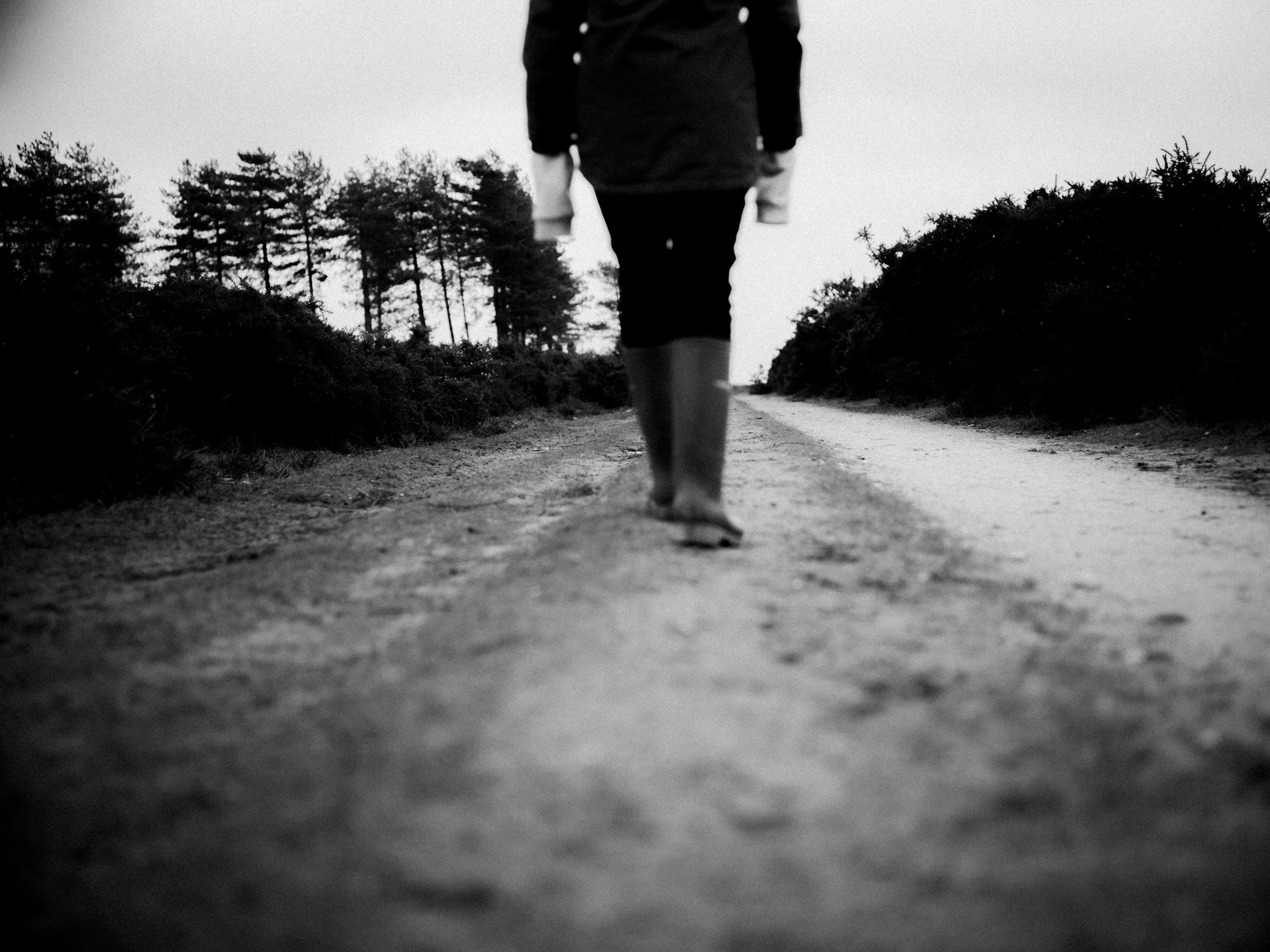
It has occurred to me that I am not walking at the moment. I have walked at least two miles every day for the last ten years, maybe more. Now, the leg that has been supporting my weaker leg has thrown in the towel. I am so slow. I no longer take those long contemplative walks. I am reminded that, for me, walking and writing go hand in hand. The rhythm of the walk, the space that is cleared in the head, the movement through land or cityscape; all these are part of my writing process.
I have written before about the way young children write with mind and body. Their movements when they draw may reflect the emotions and dynamism of what they are drawing. Many writers have found that walking is part of their practice. Virginia Woolf, comes to mind, the Wordsworths, Charles Dickens, Robert Macfarlane, Michele Roberts. Rebecca Solnit’s Wanderlust (2022) Granta Books and Writers on Walks: a BBC Radio 3 Collection: reflections from 30 contemporary writers, published by Penguin Books.
I have begun to think more carefully about how mind and body are connected in important ways. Those who know the work of Maria Montessori will know that she considered that an ‘indispensable factor’ in the development of a creative sense is the physical activity through which learners ‘come in contact with external reality, and it is through these contacts that we eventually acquire even abstract ideas’.
I am reminded of The Self-Respecting Child by Alison Stallibrass which made a big impact on me when my children were young. She talks about the importance of children having control of their bodies and the ways in which confidence in agility and movement are linked to growth and confidence intellectually. Now, I watch four, five and six year-olds enacting their own and published stories and see how the world, and their writing, is grounded in their bodies.
There is so much to say. So much to think about! I have begun reading Jackie Hoermann-Elliott’s (2021) book about embodied composition, Running, Thinking, Writing (Parlor Press: Anderson, South Carolina). Already a great deal of it makes sense to me but it will take me a while to digest and understand the idea.
In the meantime, I am out walking again however slowly, and I am very certain that the enacting of stories in the way that Vivian Gussin-Paley describes makes a crucial difference to young children’s writing.
The two stalwarts who keep this website up to date and looking good are both wild swimmers. Maybe swimming works in the same way for them. Maybe I can persuade them to write about it…