
March Daily Writing Prompts (2)
Prompts to get you outside, to get you walking, to get us all writing
Walking and writing go hand in hand. Dickens and Virginia Woolf are known for their walks through London -at all times of the day or night. For Iain Sinclair, walking is the foundation for his writing (London Orbital). Robert Macfarlane, also, places walking at the core of his books.
Repeatedly writers recommend a walk as a way of composing, of shaking loose from a block, as a source of inspiration and a rewiring.
There are a growing number of books about walking and its relation to well-being and creativity. Look at our reading list for some recommendations.
These ideas were first written for this month’s set of writing prompts. Some may have benefited from this expanded form. There is also a value in the one or two word starter, leaving itself open to interpretation and a spate of freewiting.

9 - Around the Corner
1. Hiraeth Hiraeth is a Welsh word that signifies longing, particularly for home. Etymologically, it is parallel to the English word, ‘longing’ but for Welsh speakers it means much more. It signifies a particular pull at the heart, often a melancholy experienced at being far from home and from people and places that you love. For me, the word is inextricably associated with a Welsh writing teacher who was at a workshop on St David’s day, as the crowds gathered in the nearby pubs to watch the rugby and daffodils bloomed. She sat amongst us and wrote of home, and gave us a sense of what hiraeth might mean.
Have a go.
2. … daffodils, that come before the swallow dares
and take the winds of March with beauty
Those lines from A Winter’s Tale come to my mind every year. After the courage of
snowdrops growing up through cold earth, daffodils are the next to take on the
elements, promising lighter, warmer days. Look out for daffodils. Where do you see
them? What other plants are blossoming? Use today’s writing time to respond in any
way you wish to the sight of daffodils, the lines from Shakespeare, or, if you must, those dancing daffodils the Wordsworths celebrated.
3. Stepping outside. March is a mixed month when it comes to weather and one which the poets insist is blown about by wind. Now is the time to get out and walk. You don’t have to walk far or to walk the unfamiliar. Try stepping outside today, into your garden, out of your front door and down past the corner shop. Just take a note of what you see. Return home and write it down. A cup of tea might be involved!
4. Teased with colours Today is the beginning of the Hindu festival of Holi which marks the coming of spring in India. Its celebration is marked by the throwing and daubing of colour, a lovely, bright rainbow affair, for children and adults. Start with colour today. Pay attention to colour as you walk, or start walking with a colour in mind and look to see where you find it. While you are out or when you return begin your writing with a patch of colour
5. Today I have been reading … It is World Book Day and if you work in a primary school you may well have spent the day as a character from the pages of a book. Today may be the day that you write about the madness of dressing up as a book character (and all those which are not really from books) or you might prefer to take a moment to reflect on the path of your reading this year.
6. Look up When I was still at school, and interested in the history around me, I read somewhere that I should look up, especially at buildings, to see something of their origins. I had the good fortune to go to school in Chester and so, of course, there were the beautiful Rows which declared themselves hundreds of years old, but I also learned that above modern shop fronts I might see evidence of earlier buildings. At this time of year, if we look up, we may see the changeable weather or rooks building their nests. When you are out on your walk, look up. Note what you see. Jot it down, like Gilbert White, make it into a story, or, if you stay indoors, look up. There may well be cobwebs, or a ladybird crossing the ceiling, or a shape in the plaster you had not noticed before.
7. A film of my day: zoom in, pan out or start with the wide shot… Write an account of your day using film techniques. You might want to begin with a wide shot and slowly zoom in -your house, a bedroom, the rumpled sheets, a foot getting colder as it sticks out from beneath the bedclothes.
I saw, recently, a suggestion for a drawing activity which was to draw one’s whole day from morning till late, not taking the pencil from the page. I have found it a fascinating thing to do and you may like to start like that. A poem may emerge.
8. Celebrating the women in my life It is International Women’s Day. Take a moment to list the women in your life. Approach it in a way that works for you. Your list might be limited to those closest to you or sweep out to women whom you have never met but have, nevertheless, influenced you. It might not end with a list – you may be prompted to write more. Or you may wish to write about one or more of the women you have listed.
9. Around the corner. Start with ‘around the corner’. Walk. Notice the corners. Follow the path as it takes the corner. Notice. Write in the midst of your walk or when you return. Begin –‘around the corner’. Let the words take you round the corners that emerge.
10. Champion! The Cheltenham Festival begins with Champions Day. So take the word ‘champion’ and do what you will with it. That’ll be champion!
11. It is certain Midas never saw a hare
or he would not have lusted after gold.
When the buzzard wheels
like a slow kite overhead
the hare pays out the string.
These lines are from April and May in Anna Crowe’s poem, ‘A Calendar of Hares’.
https://www.scottishpoetrylibrary.org.uk/poem/calendar-hares/
I apologise to those of you, especially city dwellers, who are unlikely to see a hare. I count it a privilege to see these creatures, just as I am delighted by the ghostly form of a barn owl flying at dusk, and, once, a fox in broad daylight at Borough Market. March is the month of hares and so I should not leave them out.
Take today’s writing slot to write about wild encounters: a crowd of sparrows in a hedgerow, a scuttle of woodlice as you lift a flower pot, a kestrel hovering at the side of the motorway or the unwelcome rat scratching in the guttering.
12. Dear March, come in!/ How glad I am. Are you? Write to March, tell the month what you are thinking about its entrance.
13. Looking back. Now we are on to Baden-Powell and Scouting for Boys! He advised looking all around when out for a hike! Otherwise you might miss the approach of a lion or the scorpion in your shoe. You should look back when you are walking new territory so that you remember how to return home. Looking back gives another perspective when you are on a walk, though you may find yourself looking back into the past.
14. Astonished!
Go for it.
15. My mother said …. Mothering Sunday. A day to honour mothers, eat Simnel cake, be allowed time away from the big house where you are a scullery maid to visit home.
16. As the green seeps in…. Look around you as you walk, where do you see green? In the buds of trees, on the muddy football pitch, in the bright emerald of a woolly hat? Collect green. Let it seep into your writing today.
17. Lá Fhéile Pádraig sona duit!
18. March wind, wild wind, blow this day. March is considered to be a month of high winds. Maybe it is calm today or maybe ‘the house has been far out at sea all night’. Write about the here and now, or write about a memory of wind, or a story in which wind takes on a major role.
19. There is a blessing in the air
20. ‘We like March, his shoes are purple.’ These are Emily Dickinson’s words. Do as you wish with them. Have fun.
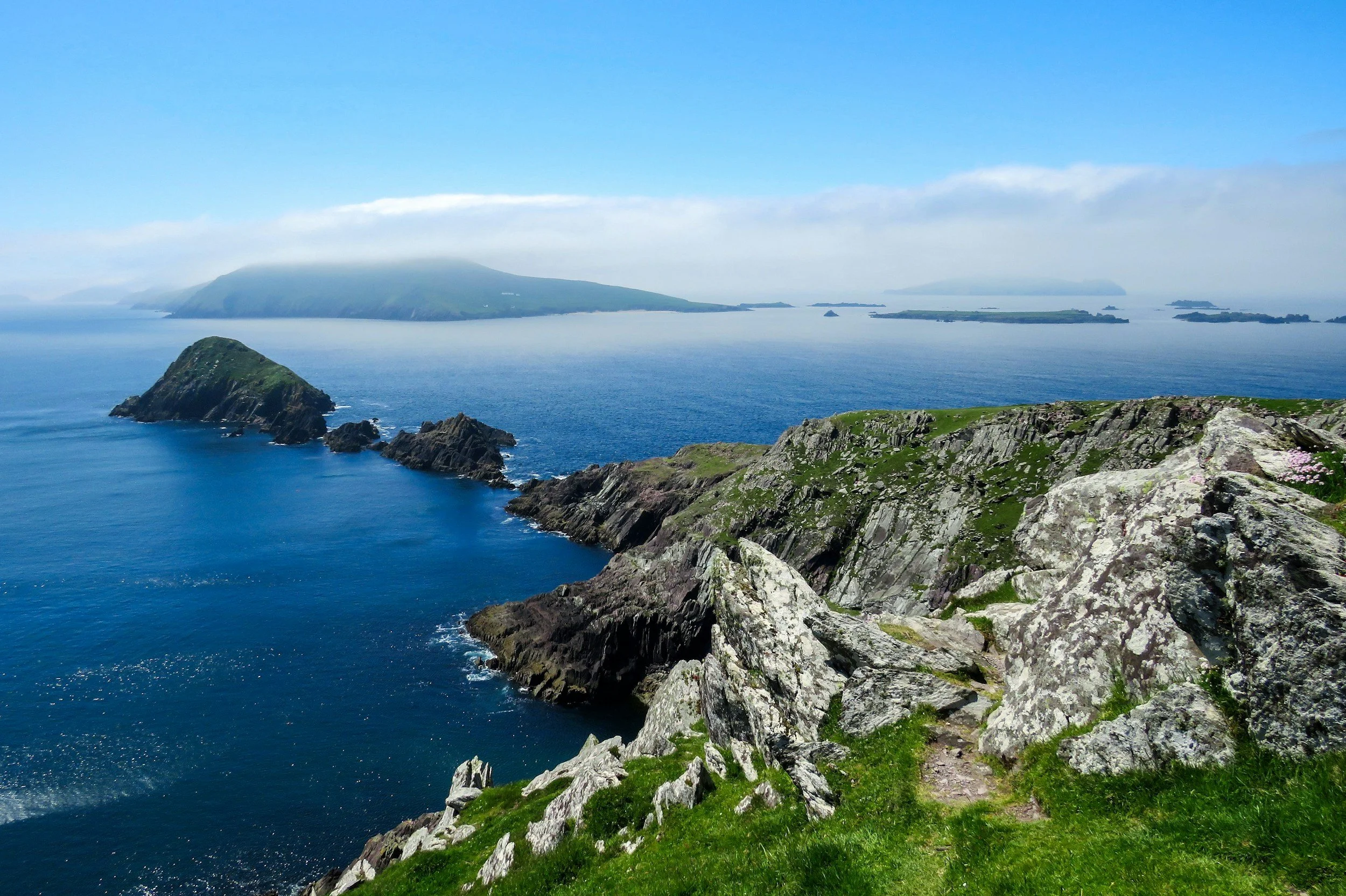
17 - Across the (Irish) Sea…
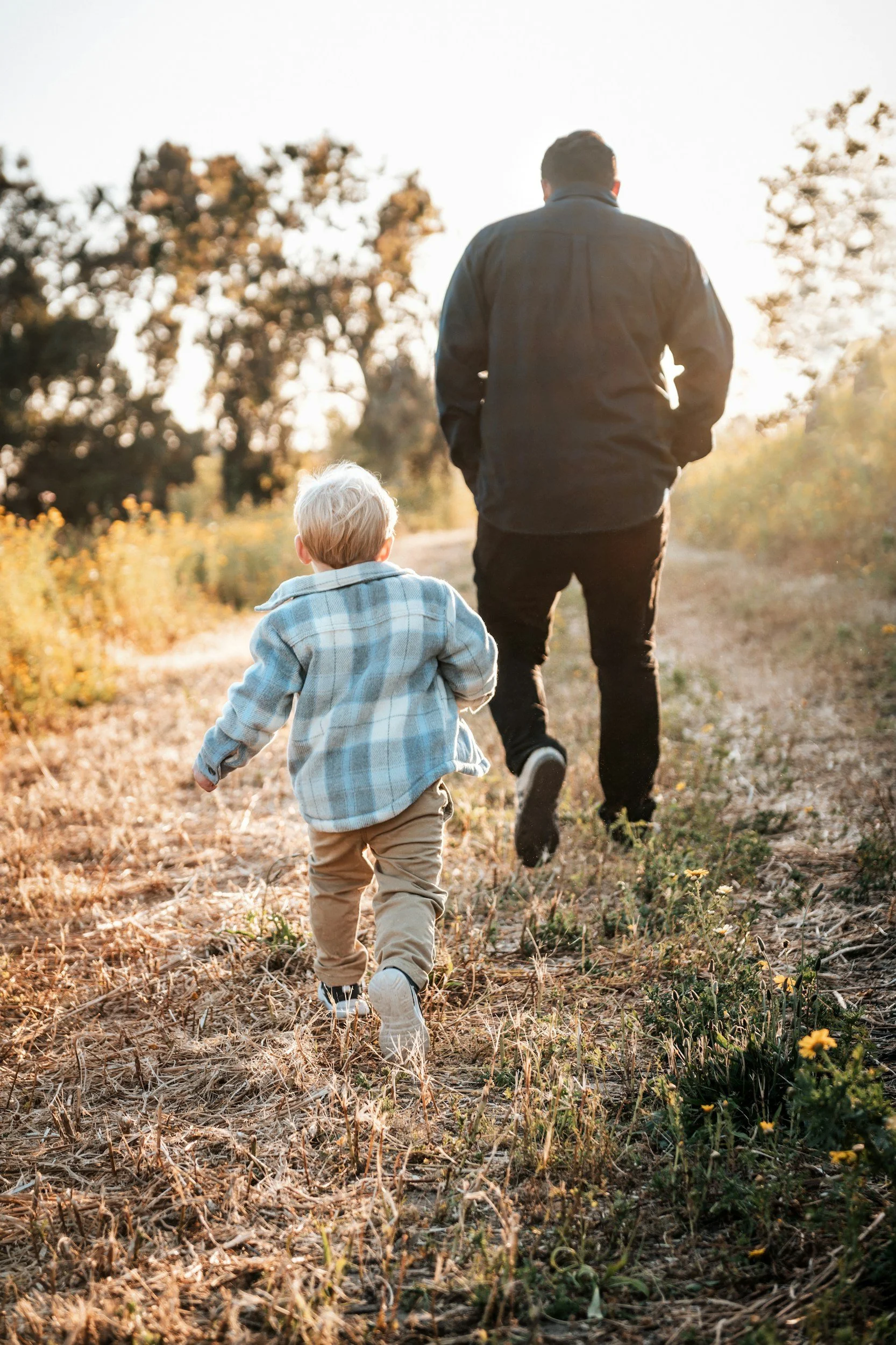
30 - Following
21. I had not noticed… Walk. Take a familiar route. What had you not noticed before?
22. Always: use this as a single starting point for free writing, or for writing one sentence after another, each beginning, ‘always…’
23. What to take on a walk. This is a list, or a piece of advice, or maybe things that you have or have not taken with you on a walk.
24. An angel visits
25. In someone else’s shoes… Imagine what it is to be someone else, someone you know, someone you invent. Write the story of their day. Or do as many actors do when they take on a new part – find yourself a pair of shoes you would not normally wear but fit a particular character. Put them on and walk around in them, keep them on for as long as is practical. Write with their voice.
26. …and breathe… take a moment to pause and reflect, jot down your thoughts.
27. Procession. Recall a procession that you witnessed, were part of, wished you had been a part of. Imagine a procession of people in your life, or from your past, or from the streets where you live. Bring the procession onto the page. See if you can find a copy of Richard Hoffman’s poem, ‘Jubilee’ that begins “The musicians are coming”.
28. An hour for the Earth. Today is a day singled out to take account of the earth, to consider what it gives us and what we can do to celebrate and support it. Perhaps today is the day for a poem, or for some prose which celebrates the land close to where you live. Get yourself out for a walk, describe the landscape, broad brush, or look closely, celebrate one small thing that you see on your walk or something else that you have thought of.
29. All that you can see and hear; an attempt at exhausting a place. In 1974 Georges Perec wrote the book An Attempt at Exhausting a Place in Paris, in which he spent three days in a cafe describing what he could see and hear. In August 2014, the artist, Alice Finbow spent a week sitting in The Manna House Bakery as part of the Edinburgh festival and attempted the same thing. She drew and painted as well as taking notes. http://www.alicefinbow.com/an-attempt-at-exhuasting-a-place-in-edinburgh Today it is your turn. Find your spot, somewhere you can sit for an extended time, and write down all that you see and hear. Try and go out. Walk to your spot. Settle down. See what happens. And if going out today is not an option, sit somewhere in your home where you do not usually sit – on the landing, in the chair at the opposite to usual side of the table, by the back door. Write down what you see and hear.
30. Following. Go out and walk. Follow a familiar path or an unfamiliar one defined by your own rules. Imagine you are following someone or something. Imagine you are being followed. Return home and write.
31. Am I ready?