June Daily Writing Prompts (2)
Scavenger Hunt (Part 1)
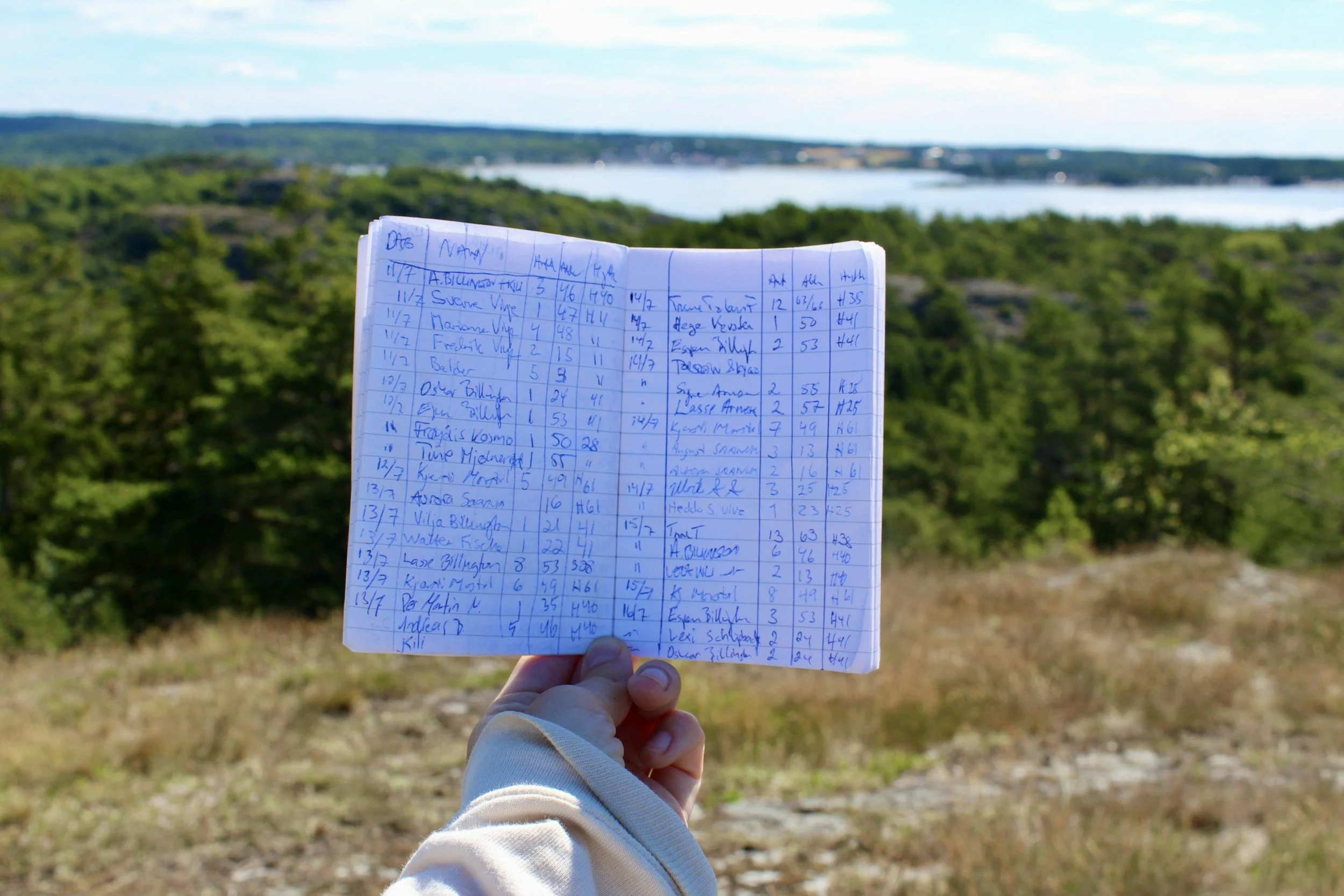
As the days reach their longest, why not take a notebook or something with which to jot down ideas and head outside? This month, we have taken an initial idea by Simon Wrigley (as found on our archive site) and expanded it to create 30 daily writing prompts. What’s more, this challenge comes in two complementary parts across June and July. Where part one gives a defined focus and specific ideas for each day (which, of course, you can always adapt to suit), part two is looser and set out by theme. Combine ideas from the two parts as you scavenge and you have infinite possibilities: endless prompts to revisit time and time again. July daily Writing Prompts – 2, Scavenger Hunt Part 2 will be available here.
So take your notebook, or whatever you use to write, as you search and wander. Many thanks to Simon for his original idea. You can find his original explanation of the task – along with even more ways to adapt the prompts – at the end of the article.
Day 1 – Near and Far
Original idea from Simon:
Describe an object or the view from where you are sitting; after 5, 10 or 20 minutes of writing, reposition yourself and write about the object or view from a different angle/focus.
Day 2 – The Unexpected
Look for something that doesn’t quite fit the scene.
Stay with that feeling.
Day 3 – Colour
Follow a colour.
See where it appears—and where it fades.
Day 4 – The Overlooked
Notice something small, ordinary, easy to miss.
Give it your full attention.

Day 4 - The Overlooked
Zooming in on the little things and bringing detail to light.
Day 5 – Traces of People
Find evidence that someone has been here.
What remains?
Day 6 – Patterns
Look for repetition—shapes, sounds, movements.
What holds them together?
Day 7 – Movement
Notice something in motion.
Or something that suggests it once moved.
Day 8 – Time
Find something that shows age or change.
What has it seen?
Day 9 – Contrasts – Edit: High and low
Hold two opposites side by side.
What happens between them?
Day 10 – Hidden Things
Look again.
What was there all along?
Day 11 – Sound
Follow what you hear.
Let it shape the writing.
Original idea from Simon - ‘Sound Scavenging.’ This prompt, of course, can be performed alone/without sharing your writing:
Sound scavenging: Wander a crowded place and, discreetly, listen out for words spoken - these might be shouted, whispered, radio-broadcast or just one end of a phone conversation. Try to remember and record verbatim, complete with pauses and intonation. Also listen out for other sounds and try and replicate these in writing. Return and share the 'soundscope'. This might even be 'performed' by the group.
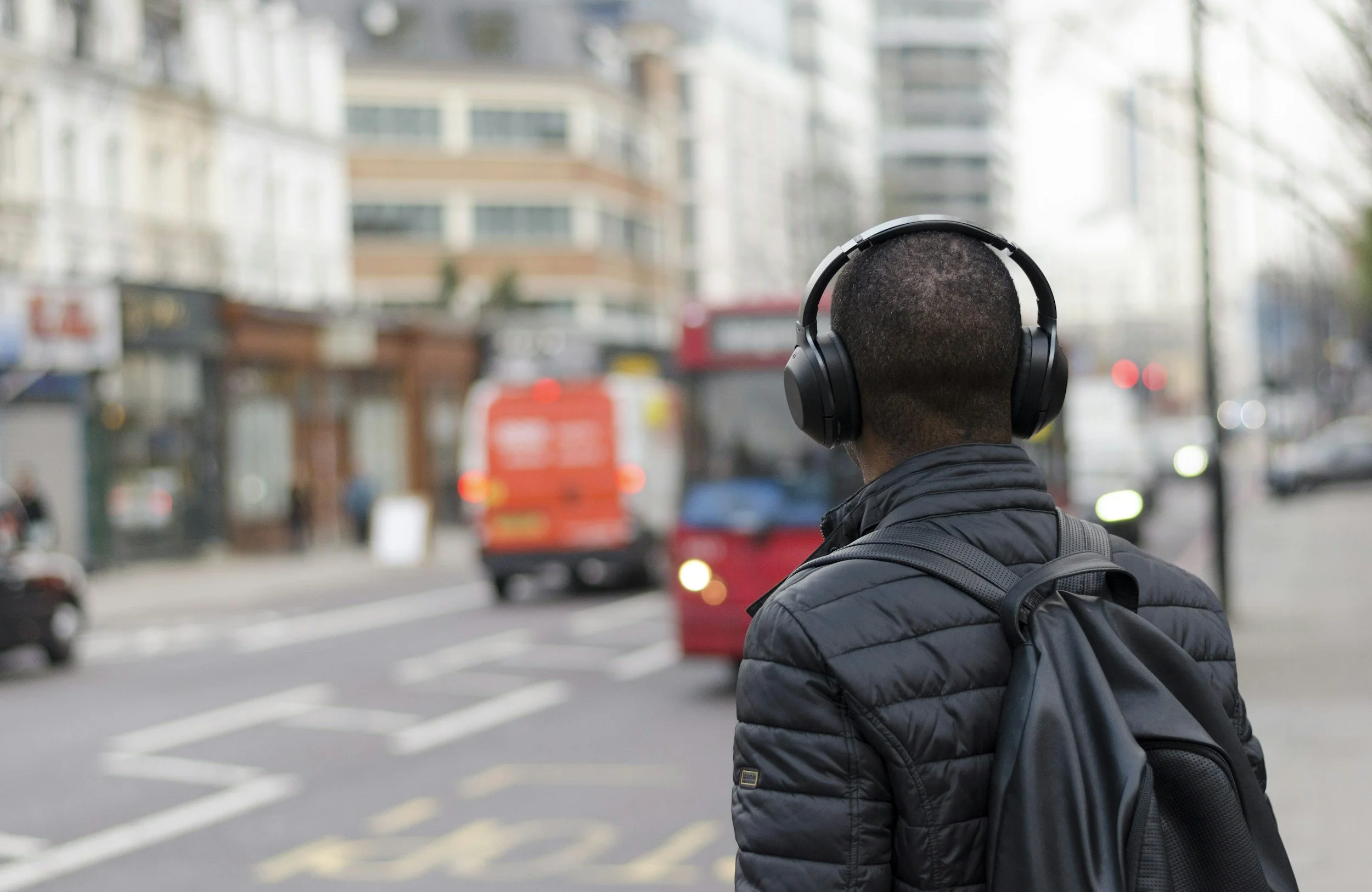
day 11 - Sound Scavenging
Stop. Look. Listen. Write it down.
Day 12 – Texture
Write through touch—real or imagined.
What does it feel like?
Day 13 – Fragments
Begin with something incomplete.
Let the gaps remain—or fill them.
Day 14 – Words in the World
Collect ‘found’ language from any written text.
Arrange it into something new.
Original idea from Simon - ‘Koala tea.’
This exercise derives from oral games played on the radio programme 'I'm sorry I haven't a clue'. Writers are given a famous quotation or saying, such as 'The quality of mercy is not strained' (Portia's speech in 'the Merchant of Venice') and must write a text in which this is the LAST line. For humorous effect, the words may be twisted as in the fantasy about a rather chewy 'unstrained' hot beverage brewed in the Australian town of Mercy, which ended with the line 'The koala tea of Mercy is not strained'. Good if you like puns, painful if you don't, but a challenge to plot quickly.
Day 15 – Nature / Built
Notice where the natural and the made overlap.
What lives in that space?
Day 16 – Journeys
Find a path, a track, a direction.
Follow it—literally or not.
Day 17 – Light and Shadow
Watch how light falls, shifts, disappears.
What does it reveal?
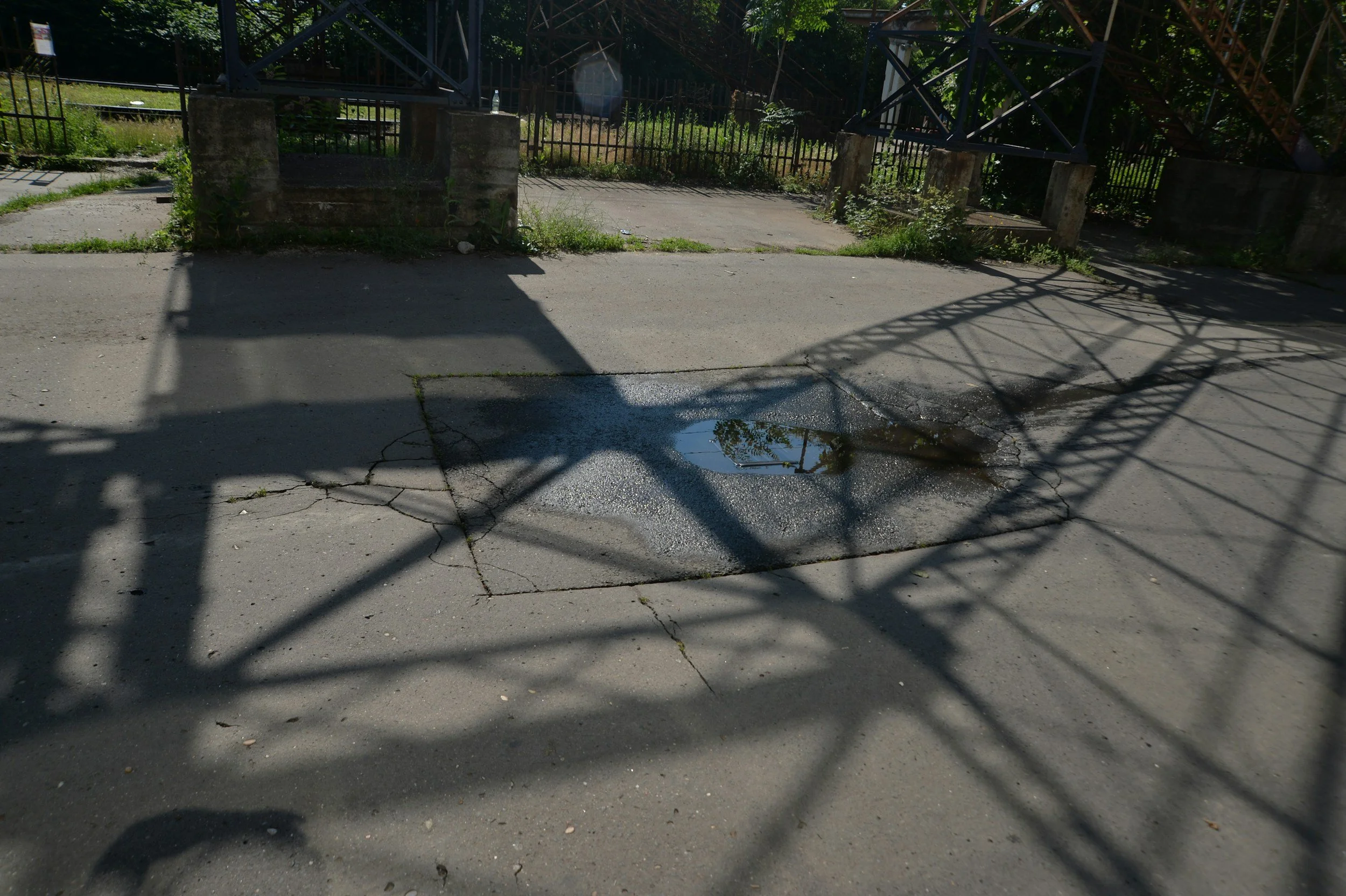
Day 17 - Light & SHadow
What’s casting the shadow? Where is the light reflected? What shapes, patterns and objects emerge? Where does it take you?
Day 18 – Things That Don’t Belong
Find something out of place.
Ask why it’s there.
Day 19 – Weather
Look for signs of weather—past or present.
What has changed?
Day 20 – Change
Notice something mid-transition.
Stay in that moment.
Day 21 – Personal Meaning
Find something that connects to you.
Follow the memory—or resist it.
Day 22 – Mystery
Choose something you cannot explain.
Write into the not-knowing.
Day 23 – Repetition
Return to something you’ve already seen.
What is different this time?
Day 24 – Quiet
Find a still place.
Listen carefully.
Day 25 – Busy
Step into movement, noise, activity.
What stands out?

Day 25 - Busy
Find a place to be still: what stimulates the senses? What captures you?
Day 26 – Edges
Notice boundaries—where things begin or end.
What happens at the edge?
Day 27 – Lost and Found
Something is missing.
Or something appears.
Day 28 – The List
Make your own scavenger list.
Choose one item to follow.
Day 29 – The Return
Go back to something from earlier in the month.
See it again.
Day 30 – Ending / Continuing
The hunt doesn’t really end.
What will you keep noticing?
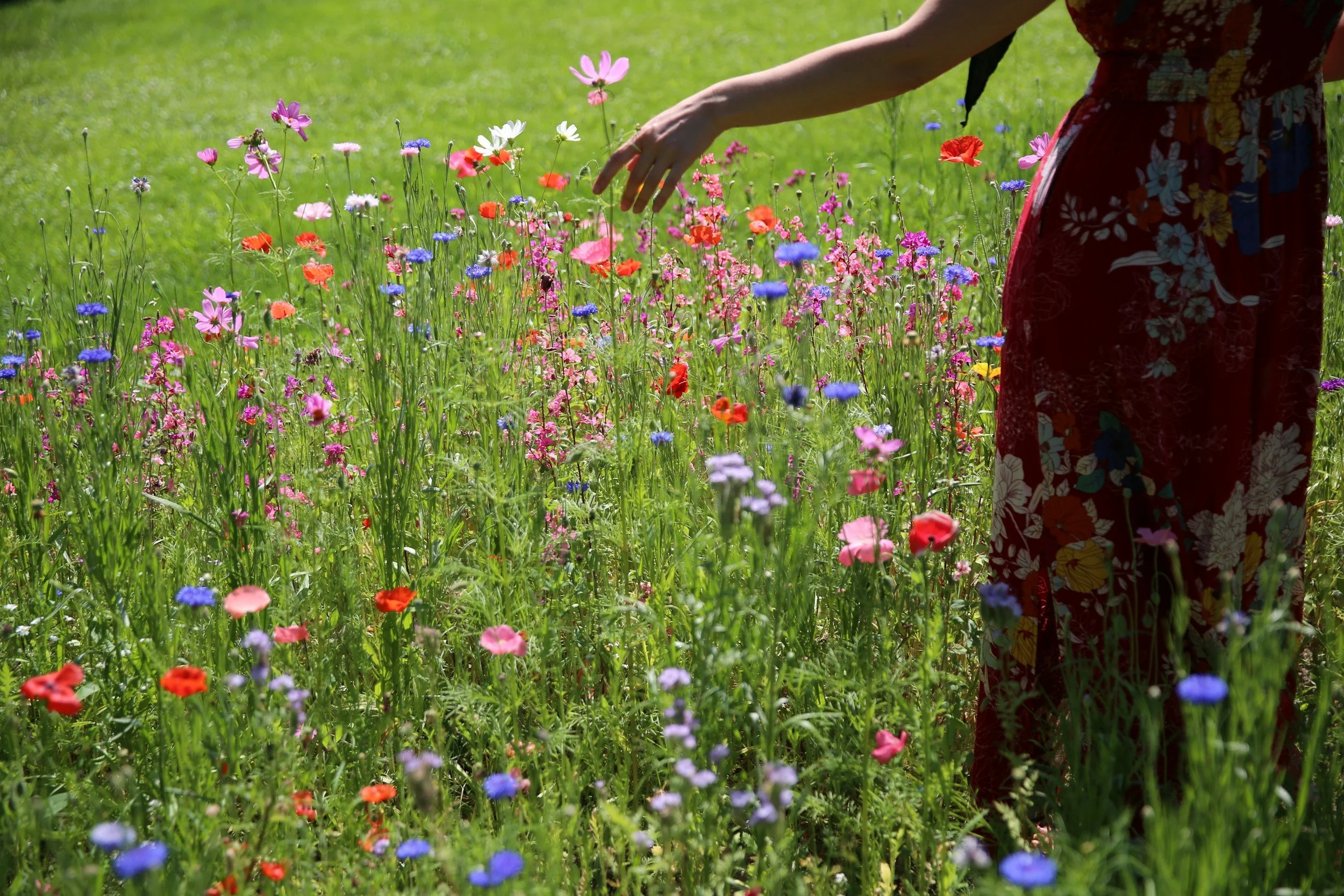
Day 30 - Ending / Continuing
Use your senses to find your own path. Where do you go next?
Original Précis from Simon Wrigley:
This exercise gets writers to go and explore the place they're in more closely. It helps them to 'read' or 'search' the place with a given interpretation, or look again at the place that they're in through different 'windows'. Another way of looking at this exercise is that it may provide writers with a way of surprising themselves about the possible 'stories' which the place may contain - and which they might not have seen without the constraints and re-directions of the prompts. It might, for example, be possible to weave together a story out of these 'scraps', or construct a piece of writing in 15 minutes which incorporated 'answers' to all 6 prompts. One thing is for sure that no two writers will come back with the same answers - and that demonstrates that a group can multiply the possibilities for writing.
Scavenger hunt could also be done collaboratively - rather like a treasure hunt - by each writer providing a word or phrase as a clue for others e.g. In Buckinghamshire Chantry chapel someone has hung a string from the gallery with letters spelling out the word 'W E L C O M E '. I could ask the others to scavenge for 'a string' or 'a message which is not printed on paper'. The exercise is not necessarily in 'finding what it was that provoked the clue' but in finding anything which 'fits' that clue. So the writer who has scavenged and comes back with a snatch or 'string' of overheard words in respnse to the prompt 'a string' has enlarged our sense of the possibilities of the language. Similarly a writer who has scavenged and comes back with the hand-written book dedication ' To Ronny, Christmas 1987' in response to the clue ' a message which is not printed on paper' has succeeded in unearthing another answer.