Theresa Gooda reflects on the impact of generative AI on writing in classrooms
As a writer and a teacher, I’m supposed to be worried about the impact of generative AI on my profession. I am, but not, perhaps, for the most obvious reason: that it might do me out of job.
I’m far more worried because of the impact that it might come to have on the act of writing itself.
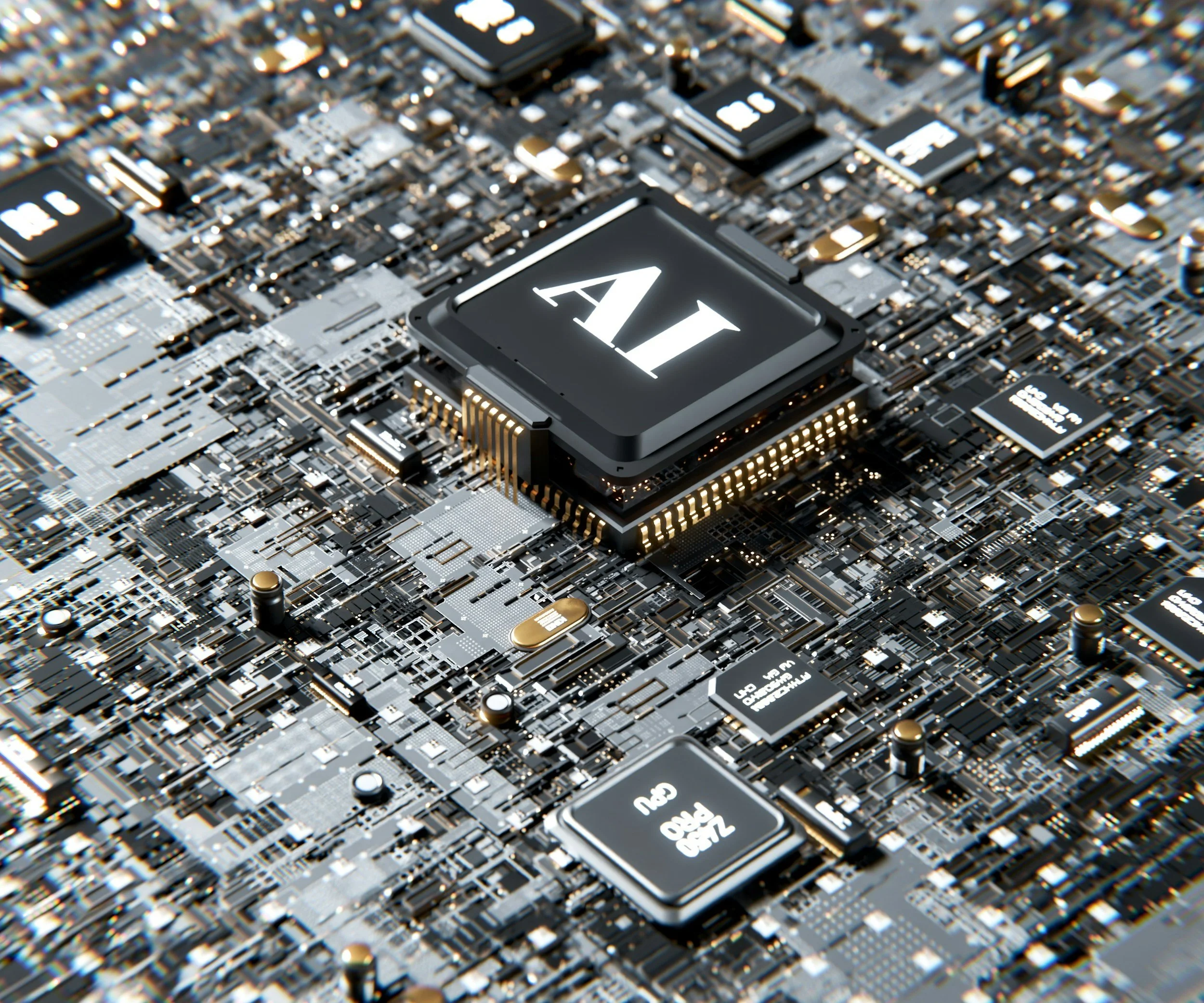
At the moment, reading AI-generated content kind of gives me ‘the ick’, as my teenage children would say. I encounter it most often in Facebook posts – yes, I know, I’m still on Facebook, something that gives those same teenage children the ick. When I read a post, I’m sometimes sucked in at the start, but it doesn’t last long. I stop being able to take in what I’m reading, because I can’t stop hearing the AI-ness of it all.
It’s much worse than the lack of accuracy and reliability, which is sometimes laughable. It’s not just that meaning is lost when phrases don’t make sense because abstract nouns are deployed in strange ways. I don’t even think it’s the fact that simile and metaphor are overdone. (As an aside, far too many emotions ‘land’ for my liking.)
The thing that I find really unsettling is the way that the actual rhythms of the text sound so alien. There are too many full-stops. Full-stop. How many single-word sentences can a paragraph take? It’s so stuffed full of ‘triplets’ that you trip over them. Anaphora becomes anathema. And when, exactly, did litotes get promoted to a rhetorical device that needs to be used in every paragraph?
What I worry about most is that children will come to think that this is how you write. We already have to do battle in classrooms with the idea that there is some sort of formula in writing which needs to be followed, a failure which often manifests as a checklist of things to include. (I once overheard my youngest son, while writing a report for his homework, say, ‘Right, I’ve got to start the next sentence with a fronted adverbial.’)
Those kind of a checklists were already problematic in encouraging ‘robotic’ writing. Now, a generation of students will go through school immersed in the AI drivel, which must, inevitably, lead to its influence in their own writing.
I have always believed that the process of writing, in life and in an English classroom, is as important as the product.
If generative AI becomes even more ubiquitous than it already is, not only will students write terribly, they will lose any sense of writing as a creative art, as a distillation of thought or a way to unravel and articulate the most complex ideas, as a tool of self-reflection, as an exercise in connecting with self-identity, or a therapeutic tool, or the million other things that writing does for us as we do it.
That’s exactly why NWP meetings are so important; they enable that regular reconnection with the power of discovery and exploration in writing. I’m very much looking forward to the next one!